What is Pressure Washing?
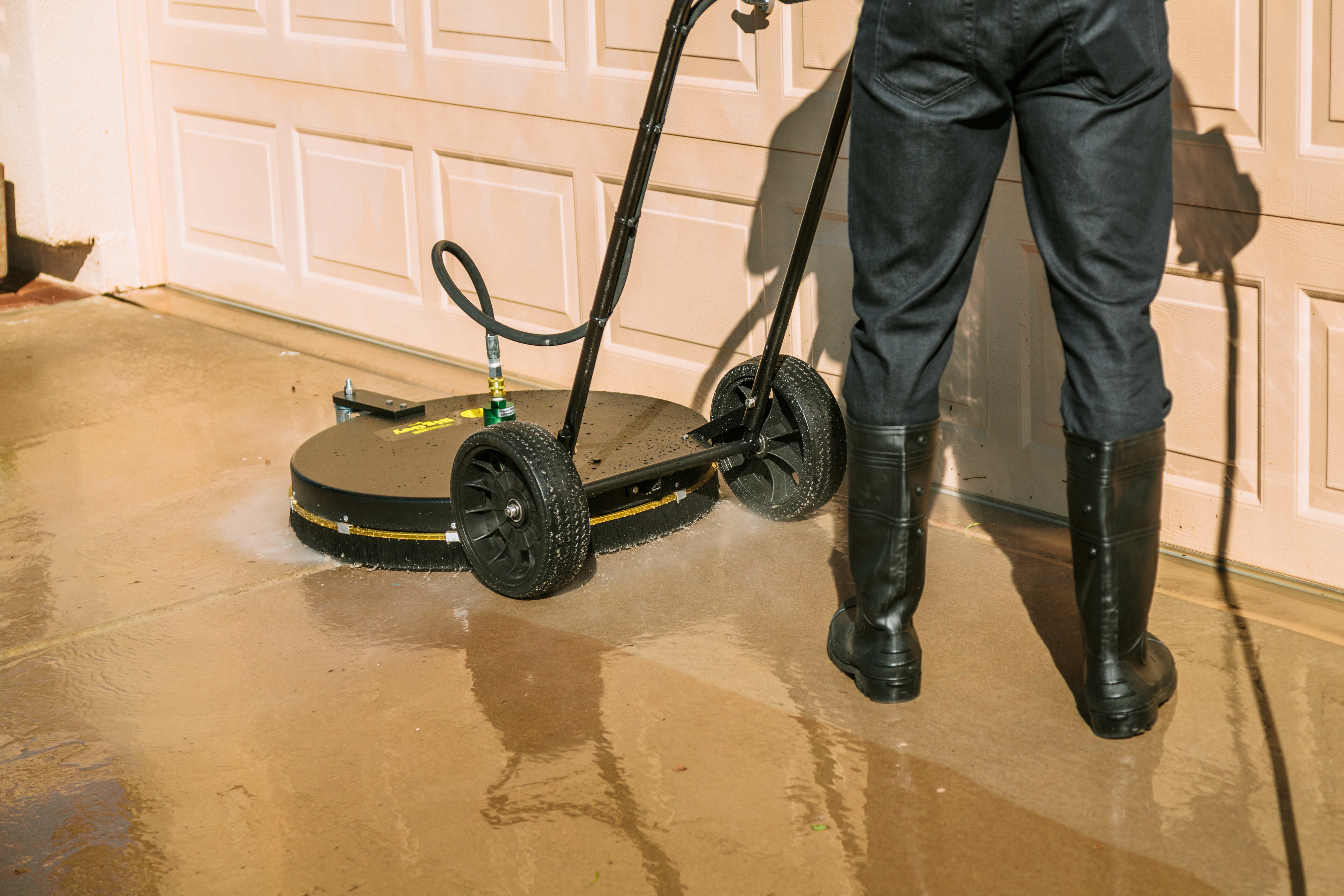
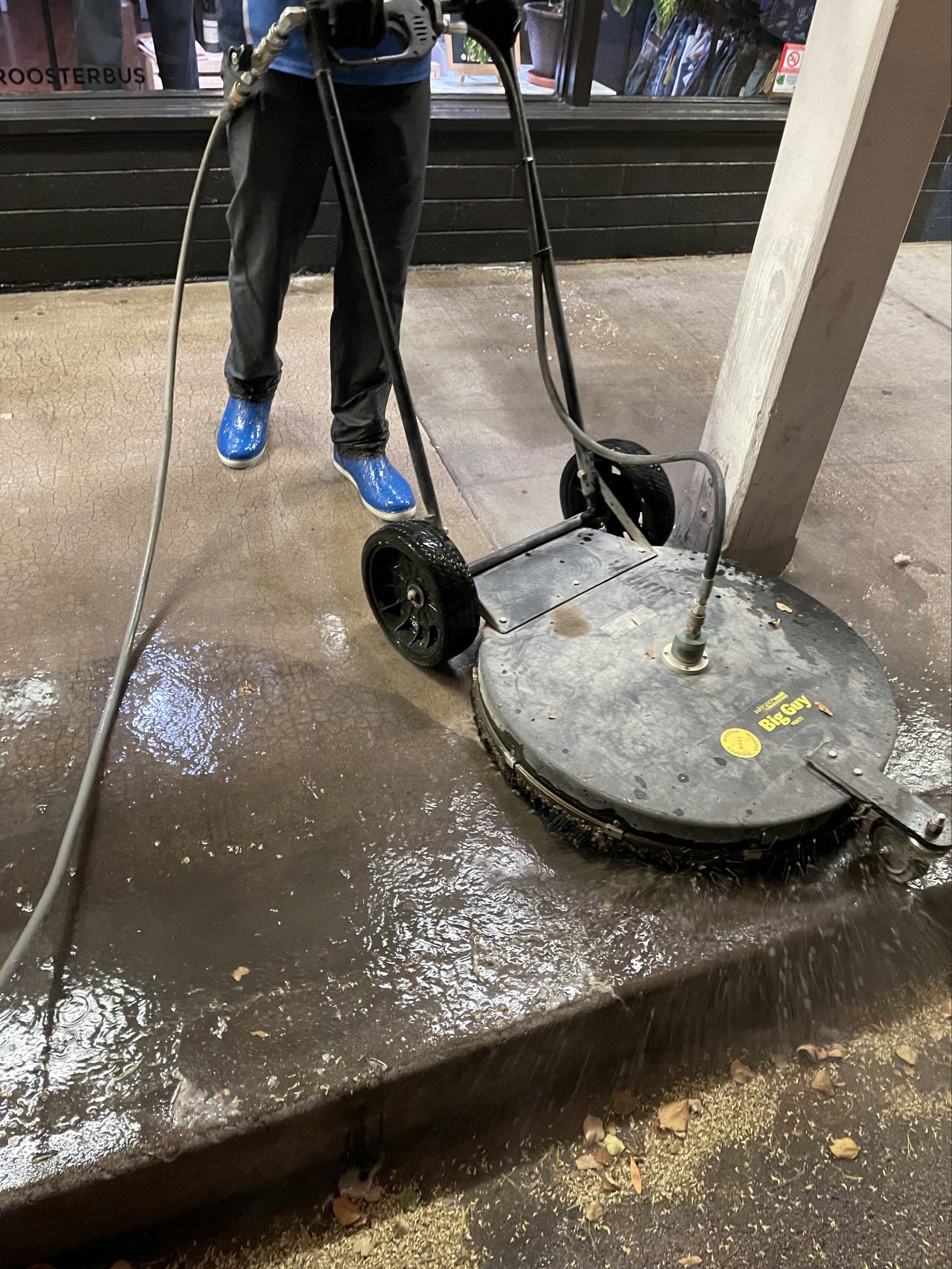
Pressure washing uses high-pressure water spray to remove dirt, grime, mold, algae, and debris from surfaces. It relies purely on force—without the use of heated water.
Key Features of Pressure Washing:
- Uses unheated water
- High PSI (pressure per square inch)
- Ideal for hard, durable surfaces
- Faster setup and lower cost
Common Uses:
- Concrete driveways
- Sidewalks and walkways
- Patios
- Brick surfaces
- Fences
Pressure washing is extremely effective when dealing with surface-level dirt and buildup, especially on materials that can withstand high pressure.
What is Power Washing?
Power washing is similar to pressure washing but includes one major upgrade: heated water.
This added heat allows power washing systems to break down tougher contaminants like grease, oil, and deeply embedded grime.
Key Features of Power Washing:
- Uses hot water (sometimes steam)
- Better at sanitizing and degreasing
- Ideal for commercial and heavy-duty jobs
- More advanced equipment required
Common Uses:
- Commercial properties
- Gas stations and drive-thrus
- Garage floors with oil stains
- Industrial equipment
- Heavily soiled surfaces
When comparing power washing vs pressure washing, the addition of heat is the defining factor.
Power Washing vs Pressure Washing: Side-by-Side Comparison
FeaturePressure WashingPower WashingWater Temperature | Cold | Hot
Cleaning Power | Moderate | High (with heat)
Best For | General cleaning | Heavy-duty cleaning
Equipment Cost | Lower | Higher
Surface Compatibility | Durable surfaces | Tough stains & grease removal
Efficiency | Good | Superior on stubborn grime
When Should You Use Pressure Washing?
Pressure washing is the go-to solution for routine exterior cleaning.
Ideal Scenarios:
- Removing dirt from driveways
- Cleaning sidewalks and patios
- Washing fences or brick walls
- General home maintenance
If your goal is to refresh the look of your property, pressure washing is usually sufficient and more cost-effective.
When Should You Use Power Washing?
Power washing is best when you’re dealing with deep stains, oil, or bacteria buildup.
Ideal Scenarios:
- Oil-stained concrete
- Commercial kitchen areas
- Parking garages
- Industrial cleaning projects
- Gum removal
For businesses and high-traffic areas, power washing delivers a deeper, more sanitized clean.
Power Washing vs Pressure Washing for Driveways
One of the most common questions is:
“Should I use power washing or pressure washing for my driveway?”
The Answer:
- Use pressure washing for regular maintenance and dirt removal
- Use power washing for oil stains, tire marks, and heavy buildup
For homeowners, pressure washing is typically enough. But if you want that like-new concrete finish, power washing is the superior option.
The Role of Soft Washing (And Why It Matters)
While discussing power washing vs pressure washing, it’s important to mention a third method: soft washing.
Soft washing uses:
- Low pressure
- Specialized cleaning solutions
This method is essential for:
- Roof cleaning
- Stucco and siding
- Delicate surfaces
Professional companies often combine all three methods—pressure, power, and soft washing—to deliver optimal results.
Which is Better: Power Washing or Pressure Washing?
There is no one-size-fits-all answer.
Choose Pressure Washing If:
- You need routine cleaning
- Surfaces are not heavily stained
- You want a cost-effective solution
Choose Power Washing If:
- You’re dealing with grease or oil
- You need sanitization
- You want maximum cleaning power
The best approach is working with a professional who understands when to use each method.
Why Choosing the Right Method Matters
Using the wrong method can lead to:
- Surface damage
- Ineffective cleaning
- Increased long-term costs
For example:
- Too much pressure can etch concrete or damage wood
- Not enough cleaning power can leave stains behind
That’s why professional contractors listed on PowerWashing.com are trained to assess each surface and apply the correct technique.
Hiring a Professional vs DIY
While DIY pressure washers are available, there’s a big gap between consumer equipment and professional-grade systems.
Professionals Offer:
- Commercial-grade equipment
- Proper chemical usage
- Surface-specific techniques
- Faster and safer results
If you’re serious about maintaining your property, hiring a professional ensures long-term value and protection.
Final Thoughts: Power Washing vs Pressure Washing
Understanding the difference between power washing vs pressure washing is essential for making the right decision for your property.
- Pressure washing = high-pressure cold water cleaning
- Power washing = high-pressure hot water cleaning
Both methods play a critical role in exterior maintenance, and when used correctly, they can dramatically improve the appearance and lifespan of your surfaces.